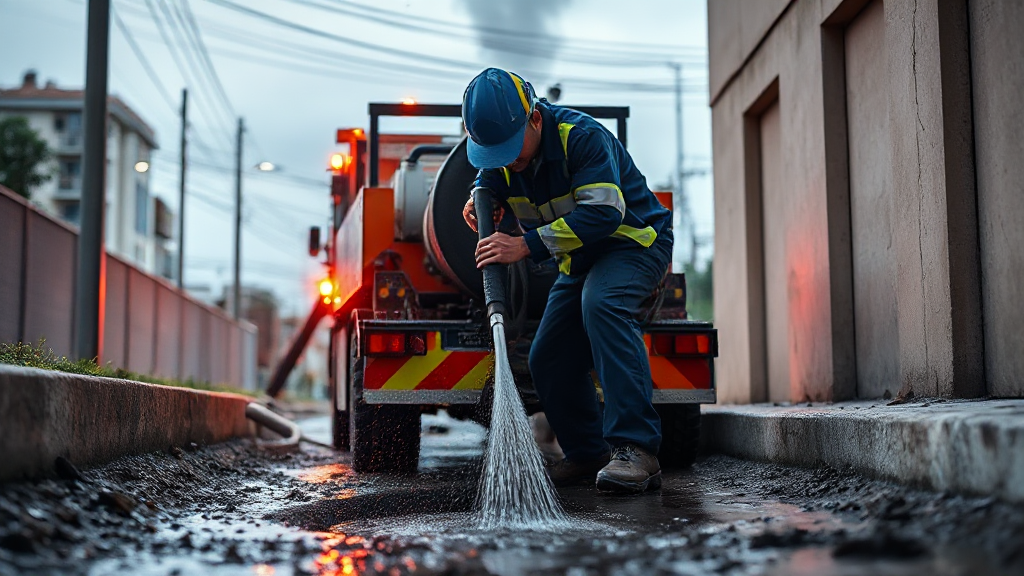
Clear a Blocked Drain in Vila Curuçá: How a Local Desentupidora Works
By the end of this account, you will know exactly what happens when you call a desentupidora em Vila Curuçá São Paulo SP for a backed-up drain, from the first phone call to the final flush test. I am writing this as a practitioner who has spent years clearing lines in this part of São Paulo, and I will walk you through the routine in the order it actually unfolds on site. The short answer to the search intent behind that phrase is this: you are looking for a fast, local, 24-hour team that arrives with the right machine for the blockage, not just a plunger and a hopeful expression.
Vila Curuçá sits in the eastern zone of São Paulo, a densely built neighborhood where older homes share narrow lots and the sewage network carries a heavy load. That context shapes every job. A blockage here is rarely a single mystery; it is usually a combination of grease, roots, collapsed pipe joints or a full inspection chamber that nobody has opened in years. The routine below is how a professional crew reads those signals and clears them without turning a small problem into a flooded yard.
What a Desentupidora in Vila Curuçá Actually Does on Arrival
The first ten minutes on site decide the whole job. Before any equipment comes off the truck, the technician asks three questions: where does the water back up, when did it start, and has anyone poured chemicals down the drain. The answers point to whether the blockage is local to one fixture, sitting in the branch line, or already in the main sewer connection.
Then comes the visual inspection. In Vila Curuçá, many houses have a small inspection box near the front wall, often buried under a layer of pavement or a planter. Finding that box and opening it is the single most useful step, because it tells you whether the problem is inside the property or out in the street. If the box is full and the street line is clear, the blockage is yours to fix. If the box stays empty while water rises elsewhere, the issue may be in the public network, and the conversation changes.
The tools that come off the truck first
A professional crew does not start with a hand auger unless the blockage is clearly close and small. The usual order is a manual cable for kitchen and bathroom branches, then a motorized spiral machine for longer runs, and finally a high-pressure water jetter for grease, scale and roots. Choosing the smallest effective tool protects the pipe. A jetter aimed at a fragile old ceramic line can do more damage than the clog ever did.
- Manual cable: short branch lines, hair and soap clogs, easy access points.
- Motorized spiral: longer horizontal runs, compacted waste, repeated blockages.
- Hydro-jetting: grease buildup, root intrusion, sediment in larger pipes.
- Suction truck: emptying inspection chambers and septic tanks before clearing.
The choice is not about power; it is about matching the tool to the pipe material and the age of the building. In a neighborhood with a mix of decades-old construction and newer renovations, that judgment is what separates a clean job from a broken line.
Reading the Building Before Touching the Drain
Every property tells you something before the first cable goes in. In Vila Curuçá, I look at the slope of the yard, the position of the kitchen relative to the street, and whether there are mature trees within a few meters of the line. Trees are a common culprit because roots seek moisture and find their way into hairline cracks at pipe joints. If the same drain backs up every few months, roots or a sagging section are far more likely than a one-off grease clog.
I also ask about recent renovations. A new bathroom added over an old slab often ties into a line that was never sized for the extra flow. That is not a blockage problem; it is a capacity problem, and clearing it will only buy time. Explaining this to the resident before starting work avoids the frustration of a repeat call two weeks later.
When the problem is the inspection chamber, not the pipe
Many calls in this area end with a chamber full of solids and no actual pipe obstruction. Emptying and cleaning the chamber restores flow immediately. Leaving it full is a mistake because the next heavy rain pushes the contents back into the lowest fixtures in the house. A crew that checks the chamber first saves the resident money and saves itself a second visit.
This is also where a desentupidora Vila Curuçá team earns trust: by showing the resident what is inside the box, explaining the difference between a full chamber and a blocked pipe, and only then recommending the service that actually fits. Transparency at this stage is more valuable than any marketing claim.
Step by Step: Clearing the Line and Confirming the Fix
Once the diagnosis is clear, the work follows a predictable sequence. The crew protects the floor and surrounding area, sets up the machine at the nearest access point, and feeds the cable or jetter slowly. Speed is not the goal; control is. Pushing too fast can compact the blockage or damage a joint, turning a thirty-minute job into an excavation.
- Protect the work area and confirm the access point is safe to open.
- Feed the cable or jetter gradually, watching for resistance and listening for changes in tone.
- Clear the blockage, then flush with clean water to confirm full flow.
- Run a camera inspection if the blockage was deep, recurrent or caused by roots.
- Test every fixture on the affected line, not just the one that backed up.
- Clean the area and dispose of removed waste properly.
The flush test is where many quick jobs fail. Water draining slowly is not the same as water draining freely. I run hot water through the line and watch the chamber level. If it rises, the line is still partly obstructed, and the job is not finished.
Camera inspection: when it is worth the extra step
A camera is not needed for every clog, but it is essential when the same line blocks repeatedly, when roots are suspected, or when the pipe is old and its condition is unknown. The camera shows cracks, offsets and root masses that no amount of cable work will fix permanently. For a resident in Vila Curuçá dealing with a third blockage in a year, the camera is the cheapest way to learn the truth before committing to repairs.
After clearing, the crew should explain what was found and what to watch for. A short written note or a photo of the camera screen is useful for landlords and condominium managers who need a record for maintenance planning.
Preventing the Next Blockage in a Dense Neighborhood
Prevention in Vila Curuçá is mostly about habits and a small amount of maintenance. Grease is the leading cause of kitchen line blockages, and it accumulates silently for months before anyone notices. Pouring oil down the sink is the single most common mistake I see. Letting it cool and disposing of it in the trash costs nothing and prevents most kitchen clogs.
Hair and soap residue do the same in bathroom drains. A simple strainer catches most of it. For older homes, an annual check of the inspection chamber and a preventive jetting of the main line can head off emergency calls. It is far cheaper to schedule maintenance than to deal with a backup at night or during a family gathering.
A practical maintenance routine
- Never pour cooking oil or grease down any drain.
- Use strainers in sinks, showers and floor drains.
- Flush lines with hot water monthly in kitchens and bathrooms.
- Inspect the yard chamber every six months and remove debris.
- Schedule preventive jetting if the property has mature trees near the line.
- Keep a note of the last blockage date and location for future reference.
For commercial properties, the routine needs to be tighter. Restaurants and small food businesses in the area should have their grease traps emptied on a fixed schedule and keep records. A blocked line during service hours costs more than the maintenance ever would.
When prevention fails, the fastest route back to normal is a team that knows the neighborhood. A local desentupidora Vila Curuçá São Paulo SP crew arrives with the right equipment, understands the typical pipe layouts, and can tell you whether the problem is a one-off or a sign of something structural.
Costs, Timing and What to Expect from an Emergency Call
Cost depends on three factors: the type of blockage, the access point, and the equipment required. A simple branch clog cleared with a manual cable sits at the low end. A main line cleared with hydro-jetting and confirmed with a camera sits higher. There is no honest way to quote a fixed price over the phone without seeing the access, which is why a reputable company asks a few questions first and confirms on site.
Timing matters too. Emergency calls at night or on weekends usually carry a higher rate, and that is normal in any 24-hour service. What you should expect is a clear explanation of the price before work begins, not after. Ask whether the quote includes the flush test and cleanup, because some providers charge separately for those steps.
| Service | Typical use | What affects the price |
|---|---|---|
| Manual cable clearing | Kitchen and bathroom branches | Access, depth, blockage type |
| Motorized spiral | Longer horizontal runs | Pipe length, number of access points |
| Hydro-jetting | Grease, roots, sediment | Pipe diameter, water access, volume |
| Camera inspection | Recurrent or deep blockages | Line length, recording, report |
| Septic tank cleaning | Properties without mains connection | Tank size, sludge level, disposal |
One lesson from years of emergency calls: the cheapest quote is not always the lowest final cost. A crew that clears the blockage but leaves the chamber full, or skips the flush test, often returns within days. Paying for a complete job once is usually cheaper than paying twice for a partial one.
For residents and building managers in Vila Curuçá, the practical takeaway is to keep a reliable contact saved before an emergency happens. When water is rising, you do not want to be searching for a number. A short list with one trusted local provider, the property address and the location of the inspection chamber is enough preparation to turn a stressful night into a routine fix.
Frequently Asked Questions About Drain Clearing in Vila Curuçá
How quickly can a desentupidora arrive in Vila Curuçá?
Arrival time depends on traffic and the time of day, but a local 24-hour team is usually on site faster than a company coming from another zone. When you call, give the full address and describe where the water is backing up so the crew brings the right equipment.
Can I clear a blocked drain myself with chemicals?
Chemical products can help with light organic clogs, but they rarely solve a real blockage and can damage older pipes. If water is standing or backing up, mechanical clearing is the safer and more effective option. Never mix different chemical products in the same drain.
Why does the same drain keep blocking?
Recurrent blockages usually point to a structural cause: roots, a sagging pipe section, a poor slope or a line that is undersized for the building. A camera inspection identifies the cause so the fix addresses the problem rather than the symptom.
Does clearing a drain include cleaning the inspection chamber?
Not always, so ask before work begins. A complete job should include emptying and checking the chamber, because a full chamber can push waste back into the property even after the pipe itself is clear.
Is hydro-jetting safe for old pipes?
When the pressure and nozzle are matched to the pipe material, yes. The risk comes from using high pressure on fragile lines without inspection. A professional crew checks the pipe condition first and adjusts the equipment accordingly.


More Stories
Reading the Slot777 Lobby: What the Interface Tells You Before You Play
How to Choose a Desentupidora in Vila Maria São Paulo SP: A Practical Checklist
Publishing a 95p Reference Without Evidence