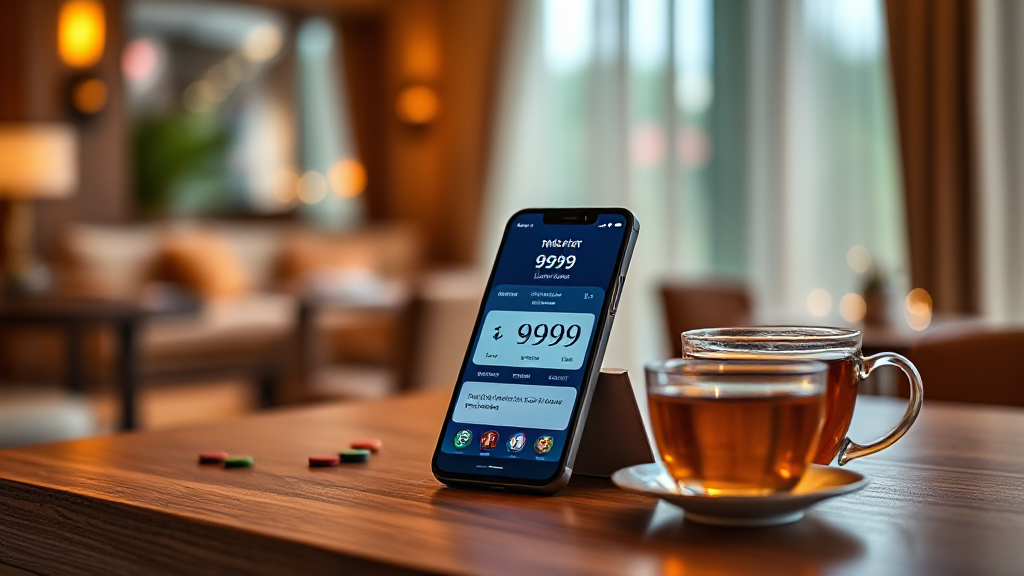
Keeping tk999 Sessions Within Your Own Limits
Betting should stay a small part of life, and this piece is about keeping it that way. If you use tk999, you already know how easy it is to open the app, check a market, and let a few minutes turn into a couple of hours. That is not a character flaw. It is how modern gaming platforms are designed, and it is exactly why a few simple habits matter more than willpower alone.
This is not a lecture about quitting. It is a plain conversation about limits: what they look like, how to set them before you need them, and how to notice when a session is quietly getting away from you. Whether you are new to the platform or you have been using it for a while, the goal is the same. Keep the experience deliberate, keep the time bounded, and keep the rest of your life in front.
Why Limits Work Better Than Resolutions
Most people who get into trouble with betting do not decide one day to lose control. They drift. A small deposit becomes a slightly larger one. A ten-minute check becomes a nightly routine. Resolutions like “I will be more careful” are too vague to catch that drift, because there is no clear moment when you have broken them.
Limits are different. A limit is a number, a time, or a rule you can actually check against. “I will not deposit more than a set amount this week” is a limit. “I will stop when the timer goes off” is a limit. Because they are concrete, limits give you something to notice. You either stayed inside them or you did not, and that clarity is what makes them useful.
The other reason limits work is that they are set in advance, while you are calm. Decisions made in the middle of a session are made by a different version of you, one that is excited, frustrated, or chasing something. Deciding before you open the app takes that decision out of the heat of the moment.
Setting Practical Limits Before You Play
Good limits cover three things: money, time, and frequency. Most people only think about the first one, but the other two matter just as much.
Money limits. Decide on an amount you can lose without it affecting rent, bills, savings, or anyone who depends on you. Treat that amount as spent the moment you set it, not as something you are hoping to get back. Once it is gone, the session is over for the day. This is the single most protective rule you can make, and it is worth writing down somewhere you will see it.
Time limits. Set a timer on your phone before you start, not after. Twenty or thirty minutes is plenty for most casual sessions. When it rings, close the app even if something feels unfinished. There will always be another market, another round, another day. The unfinished feeling is not a signal that you must continue; it is just how the platform is built.
Frequency limits. Decide how many days a week you are willing to play, and stick to it. Daily play is one of the clearest early warning signs, because it turns a hobby into a routine without you noticing. If you find yourself opening the app out of boredom rather than intention, that is worth paying attention to.
A useful test for any limit is this: could you explain it to a friend in one sentence? If not, it is probably too complicated to keep.
Warning Signs Worth Taking Seriously
Warning signs are not dramatic. They are small, ordinary behaviours that, taken together, point to something shifting. None of them means you have a serious problem on their own. But if two or three feel familiar, it is a good moment to slow down and reset your limits.
One common sign is playing to recover a loss rather than for enjoyment. The mood changes: it stops being fun and starts being a task. Another is hiding your activity, whether from a partner, a friend, or simply from yourself by avoiding your own bank statements.
Other signs include depositing more than you planned, borrowing money to play, playing when you are stressed or upset, and thinking about the app during work or family time. Sleep is a useful indicator too. If sessions are pushing into late nights, the cost is no longer just financial.
It also helps to notice how you feel after a session. If the usual feeling is regret, tension, or a wish that you had stopped earlier, that is information. Enjoyment should be the normal outcome. When it is not, the limits need adjusting.
Building Habits That Hold Up Over Time
Limits only help if they survive contact with an ordinary week. A few habits make that much more likely.
Keep your betting money separate from your everyday money. A dedicated account or a small prepaid balance makes it obvious when you have reached your limit, and it removes the temptation to dip into funds meant for something else.
Take breaks between sessions, even short ones. Standing up, walking around, and doing something with your hands resets your attention. Most impulsive decisions happen when you have been staring at a screen for a long stretch without moving.
Do not play when you are tired, angry, or trying to fix a bad day. Those are the moments when limits are most likely to slip. If you notice that mood, close the app and come back another time.
Review your limits regularly, maybe once a month. Life changes, and a limit that made sense in one season may be too generous in another. Reviewing is not a sign of failure. It is maintenance, the same way you would check a budget or a fitness routine.
Finally, keep other things in your week that you enjoy. Betting tends to expand when it is the main source of excitement in someone’s life. A hobby, a sport, time with friends, or a project you care about all make it easier to keep gaming in its proper place.
Where to Get Support If You Need It
If you try to set limits and find you cannot keep them, that is not a personal failing. It is a signal that outside support would help, and there is no shame in using it. Many people find that talking to someone is the difference between a difficult habit and a serious one.
Start with someone you trust: a friend, a family member, or a person who will listen without judging. Being honest out loud often makes the pattern clearer than thinking about it alone. From there, you can look for local counselling services, helplines, or support groups that deal with gambling and compulsive behaviour. Many are free and confidential.
Practical tools help too. Some people ask a trusted person to hold their payment details, or they remove saved card information from their devices. Others use app-blocking software during the hours they know they are most vulnerable. These are not extreme measures. They are simply ways of making the healthier choice the easier one.
If you are using a platform like tk999, it is also worth reading through any account settings and responsible-play information the platform provides. Knowing what tools exist before you need them is far better than searching for them in a difficult moment.
Frequently Asked Questions
How much money should I set as a limit?
There is no universal number. The right amount is whatever you can lose without it affecting your essential expenses, your savings, or anyone who relies on you financially. If you are unsure, start lower than you think you need. You can always adjust upward later, but starting low protects you while you learn your own patterns.
Is it a problem if I play every day?
Not automatically, but daily play is worth watching closely. The concern is not the frequency itself but what it replaces: sleep, work, time with people you care about, or other things you enjoy. If daily play starts to feel automatic rather than chosen, that is a good reason to take a break and reset your routine.
What should I do if I keep breaking my own limits?
First, treat it as useful information rather than a moral failure. Then make the limit easier to keep: lower the amount, shorten the session, or add a practical barrier like removing saved payment details. If you still cannot hold the line, speak to someone you trust and look into local support services. Reaching out early is far easier than waiting.
Can I enjoy betting without it becoming a problem?
Yes, for many people. The key is treating it as a small, bounded activity rather than a central one. Clear money and time limits, regular breaks, and honest self-checking go a long way. If enjoyment turns into stress, secrecy, or chasing losses, that is the moment to step back and reconsider.
A Short Reflection
None of this is about being perfect. It is about being deliberate. A limit you set and mostly keep is worth far more than a strict rule you abandon after a week. The point is not to make betting joyless; it is to make sure it stays small enough that it never crowds out the things that actually matter.
If you take one thing from this piece, let it be this: decide your limits before you open the app, check in with yourself honestly afterward, and be willing to ask for help if the pattern stops feeling like your own. That is enough. Everything else is just detail.



More Stories
Understanding tk999: A Comprehensive Guide to Its Features and Services
L444: Your Complete Guide to Online Betting and Gaming in Bangladesh