The Art of Timeless Hospitality: Lessons from the World’s Most Elegant Hotels
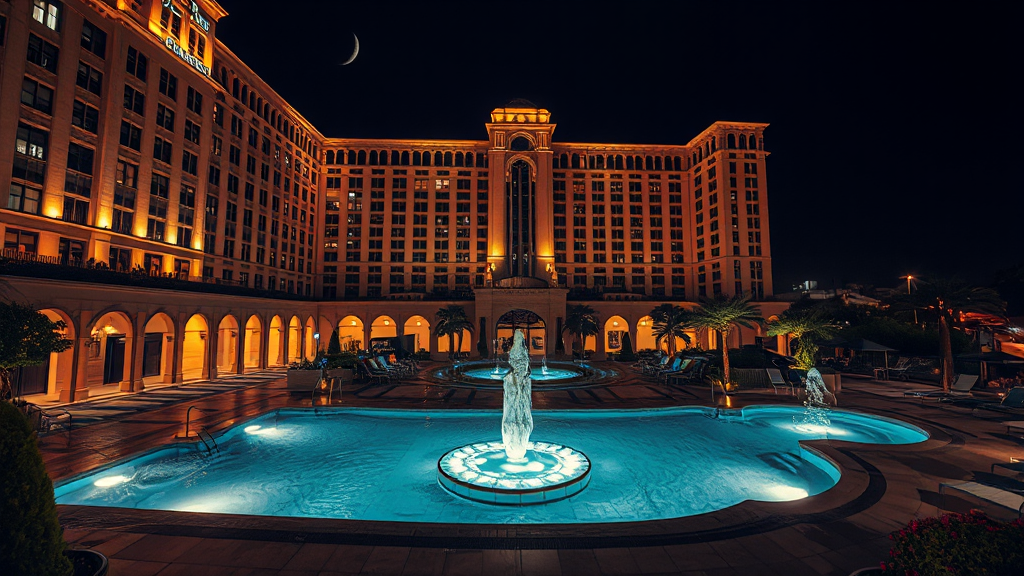
The Art of Timeless Hospitality: Lessons from the World’s Most Elegant Hotels
Hospitality is more than a service; it is an art form that has been refined over centuries. From the grand lobbies of historic European inns to the sleek, minimalist retreats of modern metropolises, the finest hotels share a common thread: an unwavering commitment to guest experience. In this article, we explore the principles that define timeless hospitality and how properties like thebiltmorehotels embody these ideals. Whether you are a traveler seeking inspiration or a hospitality professional aiming to elevate your establishment, these insights will help you understand what makes a stay truly unforgettable.
At its core, hospitality is about creating a sense of belonging. When guests walk through the doors, they should feel welcomed, valued, and cared for. This begins with the physical environment—the architecture, the lighting, the scent in the air—but it extends far beyond aesthetics. True hospitality anticipates needs before they are voiced, offers genuine warmth, and leaves a lasting impression that lingers long after checkout. The world’s most elegant hotels master this balance between grandeur and intimacy, making every guest feel like the only person in the room.
The Foundation of Exceptional Service
Exceptional service is built on a foundation of empathy and attention to detail. Staff members are trained not just to perform tasks, but to read the room—to notice when a guest looks tired and offer a quiet corner, or when a celebration is underway and provide a thoughtful gesture. This level of care requires a culture where employees are empowered to go above and beyond. Hotels that invest in their people see that investment returned in glowing reviews and repeat visits.
One of the most effective ways to cultivate this culture is through rigorous training that emphasizes emotional intelligence. Role-playing scenarios, active listening exercises, and feedback loops help staff develop the soft skills necessary to handle diverse guest needs. Additionally, recognizing and rewarding exceptional service encourages a team-wide commitment to excellence. The result is a seamless experience where every interaction, from check-in to room service, feels effortless and personalized.
Designing Spaces That Inspire
The physical design of a hotel plays a pivotal role in shaping guest perceptions. A well-designed space does not merely look beautiful; it functions intuitively, guiding guests through their stay with ease. Lobbies should invite lingering, with comfortable seating and natural flow. Guest rooms must balance luxury with practicality, offering plush bedding, ample storage, and thoughtful amenities like blackout curtains and USB ports. Lighting is particularly crucial—layered lighting allows guests to adjust the mood from bright and energizing to soft and relaxing.
Moreover, design should reflect the local culture and environment. A hotel in a coastal town might incorporate driftwood and ocean blues, while an urban property could feature industrial chic with pops of greenery. This connection to place enriches the guest experience, transforming a simple stay into a journey of discovery. Properties that excel in this area often become destinations in their own right, attracting visitors who seek not just accommodation, but inspiration.
Curating Memorable Experiences
Beyond the room and the lobby, today’s travelers crave experiences that enrich their lives. Hotels are increasingly acting as curators, offering guided tours, cooking classes, wellness retreats, and cultural events. These experiences create emotional connections that turn a one-time visitor into a loyal patron. For example, a hotel might partner with local artists for gallery nights, or with farmers for farm-to-table dinners that highlight regional cuisine.
The key to successful curation is personalization. Guests appreciate being asked about their interests during the booking process, so that the concierge can tailor recommendations. A family with young children might receive a list of nearby parks and kid-friendly restaurants, while a couple celebrating an anniversary could find champagne and rose petals waiting in their room. By anticipating desires, hotels demonstrate that they see their guests as individuals, not just room numbers.
The Role of Technology in Modern Hospitality
Technology has become an indispensable tool for enhancing hospitality, but it must be implemented thoughtfully. Mobile check-in, digital key cards, and in-room tablets for service requests add convenience without sacrificing the human touch. Smart thermostats and voice-controlled assistants can adjust room settings to guest preferences, while AI-powered chatbots handle routine inquiries, freeing staff to focus on more complex needs.
However, technology should never replace genuine interaction. The best hotels use tech to streamline operations, not to create barriers. For instance, a guest’s preference for a firm pillow or a specific newspaper can be stored in a CRM system, so that the front desk can greet them by name and have their room prepared accordingly. This blend of efficiency and warmth is the hallmark of modern luxury.
Sustainability as a Pillar of Elegance
In recent years, sustainability has emerged as a non-negotiable aspect of upscale hospitality. Eco-conscious travelers expect hotels to minimize their environmental footprint without compromising comfort. This means sourcing local and organic ingredients for restaurants, reducing single-use plastics, installing energy-efficient lighting, and offering linen reuse programs. Some properties go further, incorporating green roofs, solar panels, and rainwater harvesting systems.
Sustainability also extends to community engagement. Hotels that support local artisans, hire from the surrounding area, and contribute to conservation efforts build goodwill and authenticity. Guests appreciate knowing that their stay benefits the destination they are visiting. This approach not only protects the planet but also enhances the brand’s reputation, attracting a growing segment of responsible travelers.
FAQs
What defines a truly luxurious hotel experience?
A truly luxurious hotel experience is defined by seamless service, attention to detail, and a sense of personalization. It goes beyond high-thread-count sheets and marble bathrooms to include genuine care from staff, intuitive design, and curated experiences that make guests feel special and valued.
How can hotels balance technology with personal service?
Hotels can balance technology with personal service by using tech to handle routine tasks—like mobile check-in and smart room controls—while empowering staff to focus on meaningful interactions. The goal is to use technology as a tool to enhance, not replace, human connection.
Why is sustainability important in the hospitality industry?
Sustainability is important because it meets the growing demand from eco-conscious travelers, reduces operational costs over time, and protects the environment and local communities. It also strengthens a hotel’s brand by demonstrating responsibility and forward-thinking values.
What are some common mistakes hotels make in guest experience?
Common mistakes include neglecting staff training, failing to personalize interactions, ignoring maintenance issues, and over-relying on technology without preserving human warmth. These can lead to impersonal, forgettable stays that drive guests to competitors.
How can a small boutique hotel compete with large luxury chains?
Small boutique hotels can compete by offering unique, locally inspired design, exceptional personalized service, and a strong sense of community. They can leverage their size to be more agile and attentive, creating intimate experiences that large chains often cannot replicate.
For readers who want to learn more about thebiltmorehotels, it helps to compare different approaches, read expert opinions, and consider how the topic fits into the broader general landscape.
Another key aspect of thebiltmorehotels is understanding how it relates to other topics in the same field. Many experts recommend starting with a clear overview before diving into specific techniques or strategies.
