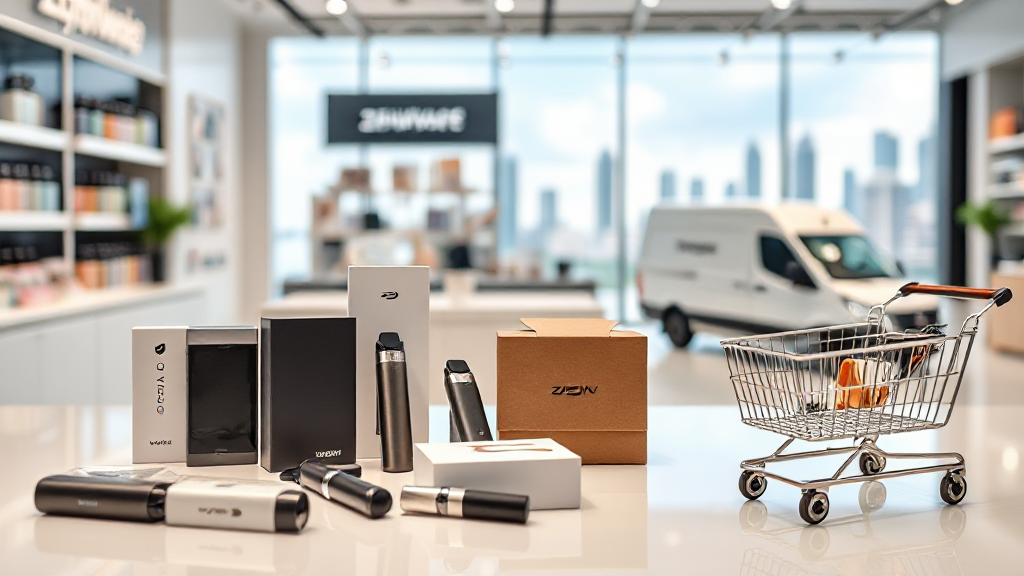
Snowwolf 16K Verification Problems: How to Check Before You Buy
By the end of this piece you will know exactly how to confirm that a snowwolf 16k device is genuine, what the common red flags look like on a support ticket, and which checks actually resolve a dispute instead of wasting everyone’s time. I have spent a long stretch of my working life on the other end of chat windows and email threads, handling warranty questions, delivery complaints and authenticity claims for online vape retail in Singapore. The pattern is remarkably consistent, and almost every angry message I answer could have been avoided with two minutes of checking before payment.
Why the Snowwolf 16K Generates So Many Support Tickets
The Snowwolf 16K sits in a crowded segment. It promises a large puff count in a compact disposable body, which makes it a frequent impulse purchase. That popularity is exactly why it attracts counterfeit stock. When a product moves quickly, copyists move quickly too, and the fakes tend to appear in the same marketplaces, with the same photos, at prices that look like a bargain.
From a support desk perspective, the tickets fall into four buckets. The first is a device that never activates out of the box. The second is a puff count that falls far short of expectations. The third is a flavour that tastes burnt or chemically within the first day. The fourth, and the one that causes the most frustration, is a buyer who suspects they received a counterfeit and cannot prove it either way.
Only the fourth category is really about authenticity. The other three are usually handling, storage or expectation issues, and they are worth separating early because the fix is completely different. A device that arrived dead may simply have been sitting in a hot warehouse; a device that tastes wrong may have been stored next to something strong-smelling. Neither of those means the product is fake.
What Genuine Stock Actually Looks Like in the Hand
When I ask a customer to describe their device, I am listening for specific details. Genuine disposable hardware in this class typically has crisp, evenly printed branding, a consistent weight, and a mouthpiece that seats firmly without wobble. Counterfeit units often feel lighter than they should, and the print tends to be slightly fuzzy or misaligned at the edges.
Packaging matters just as much. Authentic retail boxes use clean card stock, sharp colour registration and a label that sits flat. If the box has a sticker slapped over the original print, or if the batch information is missing entirely, that is a genuine concern rather than a cosmetic one. Legitimate sellers keep batch and expiry information visible because they need it for their own warranty handling.
This is also where buying from a traceable retailer beats buying from a stranger. A shop that handles its own delivery and cash on delivery has a record of what it shipped and when. When you buy from an anonymous listing, there is no chain of custody, and no one to escalate to. If you want a comparison point, look at how established stores present their catalogue and product information — for example the listings behind marbo vape 25k, where batch details and product specs are laid out clearly rather than buried in a photo caption.
The Checks I Walk Customers Through, In Order
Start with the outer packaging before you open anything. Photograph all four sides of the box in good light. If you later need to raise a claim, those photos are the difference between a quick resolution and a long argument. Do this the moment the parcel arrives, not a week later.
Next, check the security label if the product carries one. Scratch panels and QR codes are only useful if you scan them through the official channel rather than a search engine result. A verification page that looks slightly off — wrong logo, odd domain, missing product photo — is itself a warning sign.
Then inspect the device itself. Look for the fill line, the airflow holes and the charging port. On genuine units these are cleanly cut with no plastic flash. On copies they are often rough, and the port may be slightly misaligned with the shell.
Finally, do a first-use test. Draw gently for two or three seconds. A genuine device should produce smooth, consistent vapour with no gurgling and no immediate burnt note. If it sputters or tastes scorched on the first draw, stop and document it rather than persisting, because continued use weakens your position if you later claim a fault.
Customers often ask me to compare formats while they wait for a replacement. It helps to understand the wider range, so I point them at options such as the lana pen plus 9k for a slimmer profile, or the lana pix 20k when they want a larger capacity with a screen. Knowing what else exists in the same category makes it much easier to spot a listing that is describing a product inaccurately.
Red Flags That Show Up Again and Again on Tickets
There are a handful of signals that appear so regularly in counterfeit reports that I now treat them as near-certain indicators. The first is a price that sits far below every other seller. Counterfeiters compete on price because they cannot compete on traceability, and a discount of forty or fifty percent on a sealed disposable is not a promotion, it is a warning.
The second is a seller who refuses to provide a physical address or a business registration. In Singapore, legitimate retail operations are identifiable, and a seller who dodges that question is telling you something important. The third is pressure to pay through an untraceable channel. Cash on delivery exists precisely so that you are not forced into that position.
The fourth is vague product descriptions. If a listing cannot tell you the puff count, the nicotine strength and the flavour range accurately, it is probably not describing a product it has actually handled. Compare it to a properly documented listing such as marbo 25k, where the specification is stated plainly and matches what arrives in the parcel.
The fifth, and the one people miss most often, is inconsistent photography. When the same seller uses stock images that clearly come from three different sources, with different lighting and different backgrounds, that is a strong hint they have never held the product.
What to Do When Something Goes Wrong
If your device fails, the sequence matters more than the complaint. Photograph the packaging, the device and the fault. Note the date and time of purchase and first use. Then contact the seller through a written channel so there is a record. Verbal promises over a phone call are almost impossible to rely on later.
Be specific. “It does not work” is difficult to act on. “It stopped producing vapour after roughly two hundred draws, and the light flashes three times when I draw” gives a support team something to work with. In my experience, tickets with clear detail get resolved in a fraction of the time.
It also helps to know your alternatives before you escalate, so you are not stuck without a device while a claim is processed. Many customers in this situation ask about other formats, and I usually mention the lana pix range for its clear display, or the lana ultra 2 for a different draw feel. Having a fallback removes the pressure that makes people accept a bad outcome.
For customers who use heated tobacco rather than disposables, the same verification logic applies to consumable packs, and the questions about batch codes and storage are identical. It is worth understanding how a specialist retailer handles that category too, which is why I sometimes refer people to the guidance around terea singapore stock when they ask how sealed consumables should be checked on arrival.
Choosing a Seller You Will Not Need to Chase
The single most effective way to avoid a Snowwolf 16K authenticity problem is to buy from a seller who has something to lose. That means a business with a visible identity, a published product range, a delivery process you can track, and a payment method that protects you.
Cash on delivery is underrated in this context. It means you inspect the parcel before money changes hands, which removes most of the risk in one step. Discreet packaging is the other half of the equation for many buyers, and a seller who handles both properly is usually handling their supply chain properly as well.
Before you commit, do three things. Check that the seller lists full specifications rather than marketing slogans. Check that they have a reachable support channel and a stated returns position. Check that the price sits within a believable range compared to other sellers of the same product. If all three pass, the odds of a counterfeit arriving are very low.
If any of them fail, walk away. There is always another seller, and a device you can verify is worth far more than a discount you cannot trust. Keep your packaging photos, keep your order confirmation, and you will never be the person stuck in a support queue with nothing to show.




More Stories
Lana SG: Your Guide to a Trusted Vape Online Store in Singapore